
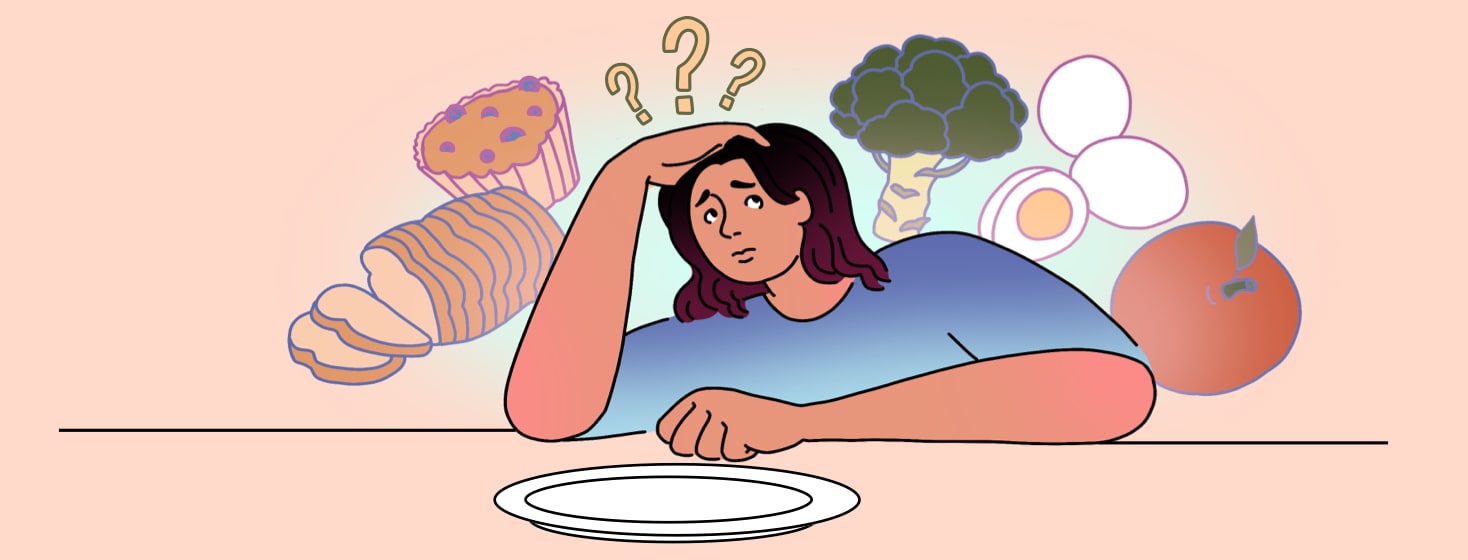
Choosing Nutrient-Dense Foods Over Empty Calories

Empty calories: you may hear this term thrown around when talking about diets and food. Everyone should understand the meaning of an empty calorie, but it can be especially important to grasp this concept when you are living with type 2 diabetes.
An empty calorie is a calorie we consume that does not provide nutritional value. We consume calories in many forms, but some are more beneficial than others. Let’s break it down.
Understanding nutrient-dense foods
So many foods we eat provide the energy we need for a busy lifestyle. They are also full of the vitamins, minerals, and other nutrients we need to keep our bodies healthy. Foods such as red meat, chicken, and eggs contain protein and iron. Our bodies use protein as a building block for muscle and iron to maintain healthy red blood cells.
Fruits and vegetables vary in the types of vitamins and minerals they provide, and they are essential for a healthy diet. They are also loaded with fiber, which our bodies use to stay regular. Whole grains such as breads, cereals, rice, and pasta contain carbohydrates which our bodies use for energy, as well as fiber and antioxidants.

All of these foods work together to form a complete, healthy diet. Without enough of each nutrient, we may suffer from low energy, hair loss, or vitamin deficiencies.
Where do empty calories come from?
Let’s take a look at the foods that we often identify as empty calories. Items such as doughnuts, cupcakes, potato chips, and candy are great examples of foods with empty calories. These foods, while very tasty, do not provide much nutritional value. Therefore, we are left “empty” and need to obtain those nutrients from other sources.
Does this mean you can never eat sweets, chips, or other processed food? Absolutely not. But trying to be mindful of the amount and frequency is a great way to achieve moderation.
Why managing empty calories matters
You may be asking why it even matters? The reason we try to limit foods that provide little to no nutritional value is that they can fill you up so much that you are not hungry for nutritious foods. These empty calorie foods often have a texture and flavor that make it easy to eat larger amounts.
These foods can lead to cravings, causing us to eat larger portions more frequently. We may even start to dislike fresh fruits, vegetables, and proteins that our bodies need to function properly. A recent study found an association between high intakes of junk food and mental health issues such as stress and depression.1
Simple steps for success
- Check the serving size on your frequent “empty calorie” snacks and stick to that portion.
- Pair these snacks with a healthy food such as apples, carrots, celery, or cucumbers.
- Stick to the “one treat a day” method whenever possible!
Managing your health with type 2 diabetes does not mean you have to give up the foods you love. It is all about finding a balance that works for your body and your lifestyle. By prioritizing nutrient-dense foods most of the time, you provide your body with the fuel it needs.
Join the conversation