
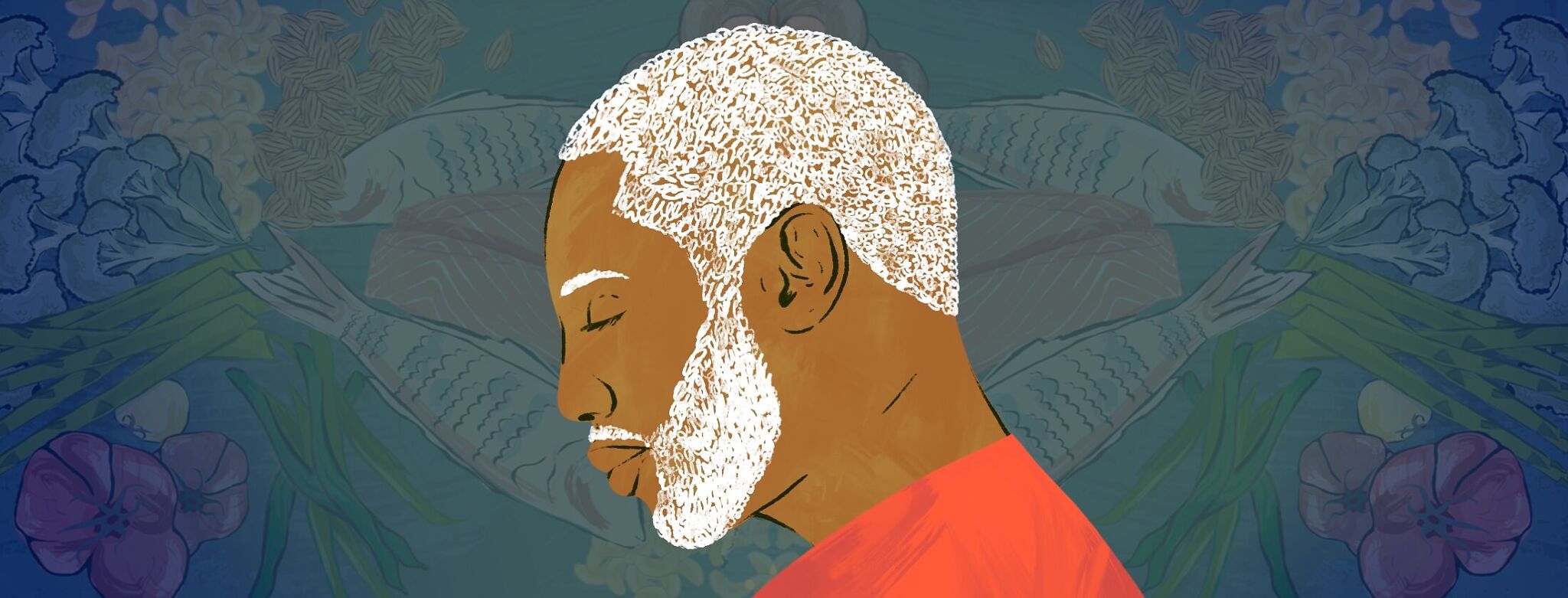
Radical Resistance: Why Prioritizing Your Health is an Act of Leadership

There is a specific kind of strength we often talk about: the strength to provide, the strength to protect, and the strength to show up for everyone else. But for African American men living with type 2 diabetes (T2D), there is a different, more quiet form of strength that we often overlook: the strength to prioritize our own well-being.
This perspective comes from a cultural standpoint on how and what we eat. The "soul food" often associated with our culture-consuming deep-fried meats, salt-laden vegetables, and sugary desserts—is less a reflection of our ancestral culinary brilliance and more a survival mechanism born from historical scarcity.
Shifting away from these habits, especially when living with type 2 diabetes is an act of self-love and radical resistance. Changing our eating habits isn't a betrayal of the past; it is the necessary evolution required to protect the future of Black health and vitality in our communities.
Understanding the triple threat
Living with T2D isn't just about managing blood sugar. It’s a complex puzzle that often includes navigating high blood pressure and cholesterol—the "triple threat" that disproportionately affects the African American community. For a long time, I viewed these things as inevitable or just "part of getting older." But I’ve realized that being passive about my health is a risk I can no longer afford to take.

The power of a proactive approach
Owning your health means moving from a reactive mindset to a proactive one. We shouldn't wait for a scare or a hospital visit to take our health seriously. I watched my father, uncles, and cousins ignore extreme red flags regarding their health that ended badly. This can change. It starts with the fundamentals that we often push to the bottom of our to-do lists:
- Staying on schedule: Treat your doctor’s appointments like the most important business meetings on your calendar. Follow the schedule as you would the NFL regular season. These aren't just check-ins; they are opportunities to adjust your strategy and “playbook.”
- Medication consistency: Taking maintenance medications for T2D, blood pressure, or cholesterol isn't a sign of weakness; rather, it’s a tool for longevity. Consistency is what keeps the baseline steady so you can keep living your life. It’s like going to practice to create winning habits on the field.
- Daily choices: Healthy living doesn't mean a total overhaul overnight. It’s about the cumulative power of small decisions. Choosing a walk, opting for water, and monitoring how your body responds to different foods is the proverbial "game tape" for maintaining your daily stats.
Leading by example: A family legacy
The biggest shift for me came when I stopped looking at my health and diabetes management as a solo mission. I started looking at it through the lens of my family. We often say we’d do anything for our children. If that’s true, then the most impactful thing we can do is ensure we are around to see them grow, lead, and succeed.
Setting the blueprint
When I stay on top of my labs and keep my sneakers laced up, I’m not just managing a diagnosis; I’m setting a blueprint for winning for my family. I want them to see that a man takes care of himself so he can continue to take care of business. This is essential in the African American community.
A call to action
To my brothers navigating this same path: let’s stop viewing the doctor’s office as a place of judgment and start seeing it as a headquarters or the "game-day" review room for our personal health. We have too much at stake to leave our health to chance.
Owning your health is an act of leadership. By managing our type 2 diabetes, keeping our blood pressure in check, and staying disciplined with our care, we are showing the next generation of young Black men what it looks like to live well. Let's make the choice to be there for the long haul.
Join the conversation